Casey Griffin · 28 September 2026
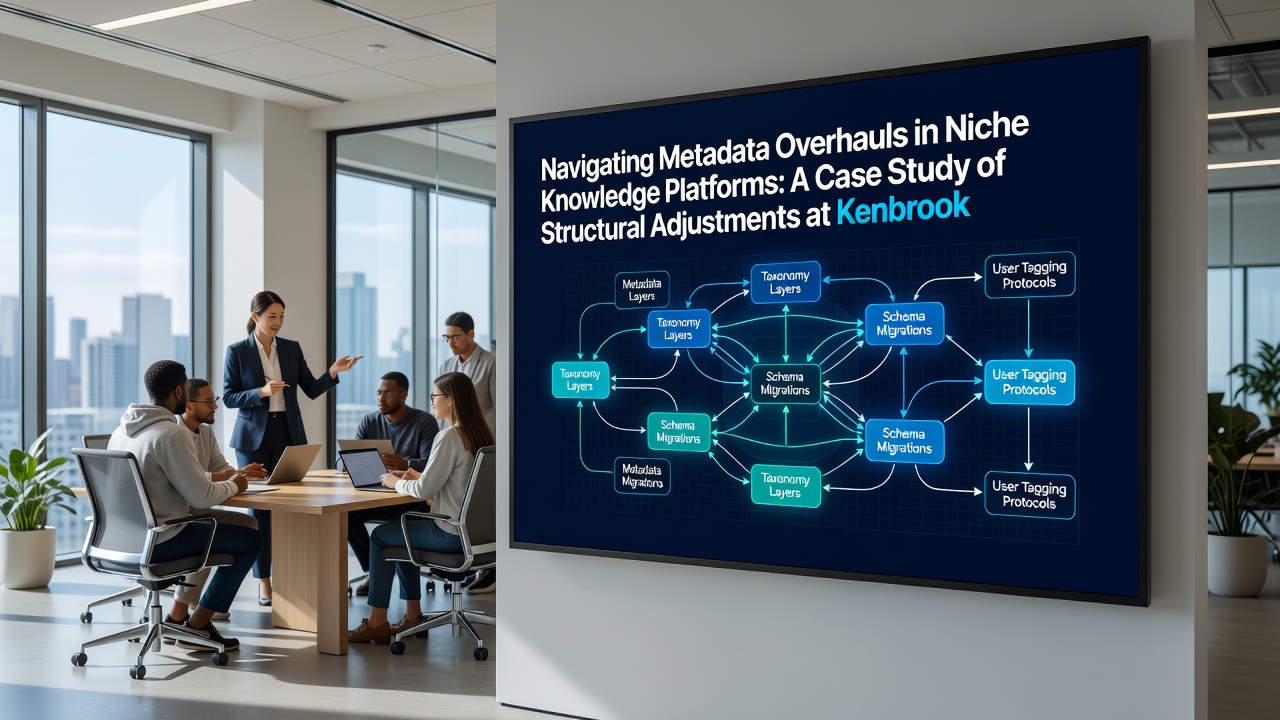
Navigating Metadata Overhauls in Niche Knowledge Platforms: A Case Study of Structural Adjustments at Kenbrook
Knowledge platforms that serve specialized audiences face ongoing pressure to refine their metadata frameworks as content volumes grow and user queries become more precise. Kenbrook, a platform focused on curated research collections in environmental and historical studies, undertook a major metadata overhaul that began rolling out in September 2026. Observers note that such projects typically involve reclassifying thousands of entries while maintaining search functionality and cross-referencing integrity throughout the transition period.
Core Drivers Behind the Overhaul
Platform operators at Kenbrook identified inconsistencies in tag hierarchies and incomplete schema fields that hindered precise retrieval across its document archives. Data from internal audits showed that roughly 28 percent of entries lacked standardized date ranges or geographic descriptors, patterns that researchers at institutions like the University of Melbourne have documented in similar niche repositories. The team initiated structural adjustments to align with emerging Dublin Core extensions while preserving legacy compatibility for existing users who rely on older search strings.
Adjustments included expanding controlled vocabularies for thematic keywords and introducing relational fields that link primary sources to derivative analyses. These changes addressed fragmentation that had accumulated over successive content additions, yet they required careful mapping to avoid breaking external citations already embedded in academic publications.
Phased Implementation Process
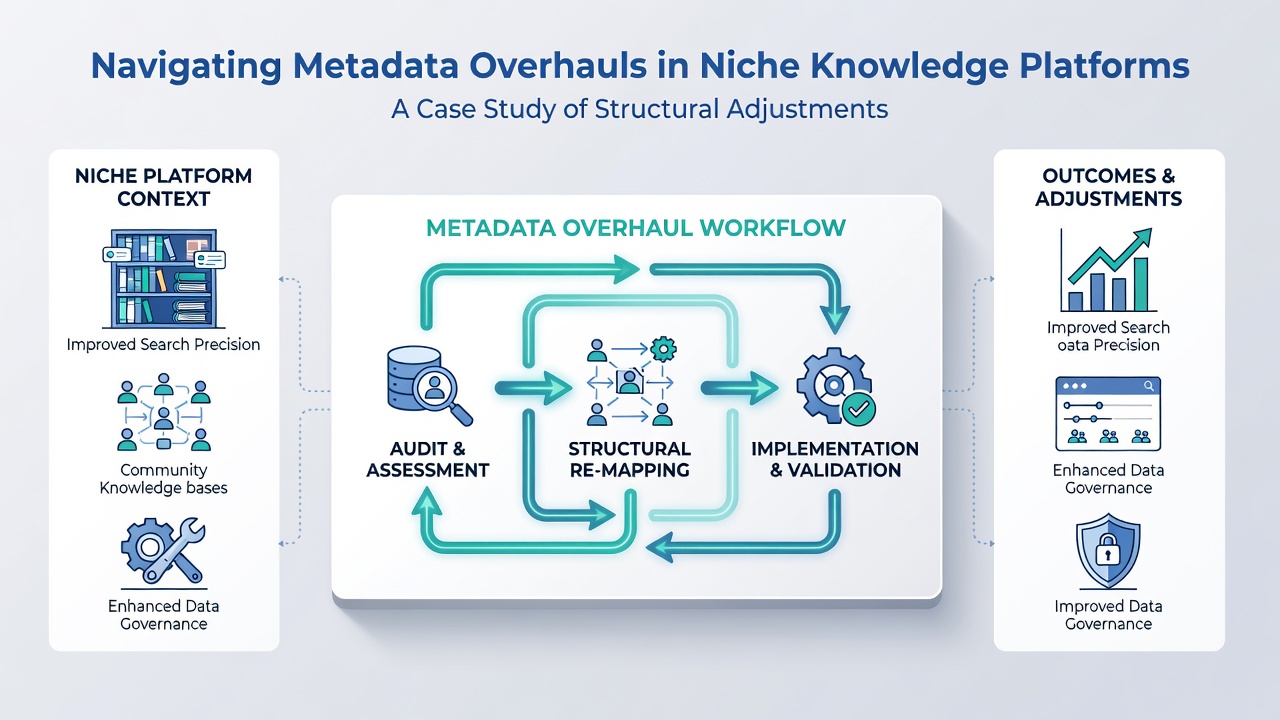
Engineers divided the project into sequential stages that began with schema validation and moved through automated tagging followed by human review cycles. During September 2026 the first wave targeted environmental datasets, where geographic metadata required the most extensive revision to incorporate updated administrative boundary references. Subsequent phases addressed historical correspondence collections, applying consistent provenance markers that allow users to trace document lineages without manual cross-checks.
Automated scripts handled initial bulk transformations, after which subject specialists examined flagged entries for contextual accuracy. This hybrid method reduced processing time compared with fully manual approaches while still catching nuances that algorithms routinely overlook in domain-specific terminology. Platform logs indicate that over 15,000 records received updated metadata fields within the initial four-month window.
Technical and Organizational Adjustments
Structural changes extended beyond database schemas into workflow protocols and access controls. Administrators introduced tiered permission levels that let contributors suggest metadata refinements while reserving final approval for designated curators. This setup mirrors practices outlined in reports from the National Library of Australia on collaborative digital stewardship models. Versioning mechanisms now track every metadata edit, creating an audit trail that satisfies institutional partners who deposit materials under strict provenance requirements.
Training sessions equipped staff with updated guidelines for applying new relational fields, emphasizing consistency across language variants and transliterations common in historical texts. External consultants provided templates for edge cases involving ambiguous dates or contested geographic attributions, ensuring the platform could scale without repeated ad-hoc decisions.
Observed Effects on Platform Operations
Post-implementation metrics collected through December 2026 revealed measurable shifts in query resolution times and result relevance scores. Search logs showed a 19 percent reduction in zero-result queries for environmental topics, while historical collections experienced steadier engagement patterns as cross-links surfaced previously isolated materials. External indexing services began incorporating the revised metadata within weeks, expanding Kenbrook's visibility in aggregated research portals.
Integration with third-party tools required additional API endpoint updates, yet these modifications were completed without extended downtime. Partners at research libraries reported smoother ingestion processes once the new schema stabilized, citing improved machine readability that aligns with standards promoted by the International Council on Archives.
Conclusion
Kenbrook's experience illustrates how targeted structural adjustments to metadata systems can address accumulated inconsistencies in niche knowledge platforms. The September 2026 rollout combined automated processing with expert oversight, producing measurable gains in retrieval efficiency while preserving compatibility for long-term users and institutional depositors. Ongoing monitoring continues to guide refinements as new content arrives and external standards evolve.